JP EN

Sustainability

DENBA JAPAN’s SDGs Initiatives

We respect the purpose and spirit of the United Nations Development Programme (UNDP) and the Sustainable Development Goals (SDGs), and as part of our corporate social responsibility, we place the highest priority on new areas such as climate action, food loss reduction, innovation, sustainable consumption, and regional revitalization. At the same time, we work to build fair and positive relationships with our stakeholders, accumulating valuable experience and policy expertise that can help achieve the targets set forth in the SDGs, and contributing to the enhancement of corporate value from a long-term perspective.

Our strategic plan focuses on key areas including poverty reduction, climate change and disaster risk, and economic inequality, while actively addressing initiatives such as environmental protection through environmentally friendly products, regional revitalization through sustainable circular agriculture, and food loss reduction.
In fiscal 2021, we will continue building, maintaining, and operating an efficient management system
that contributes to the environment, people, and society.


We respect the purpose and spirit of the United Nations Development Programme (UNDP) and the Sustainable Development Goals (SDGs), and as part of our corporate social responsibility, we place the highest priority on new areas such as climate action, food loss reduction, innovation, sustainable consumption, and regional revitalization. At the same time, we work to build fair and positive relationships with our stakeholders, accumulating valuable experience and policy expertise that can help achieve the targets set forth in the SDGs, and contributing to the enhancement of corporate value from a long-term perspective.

Our strategic plan focuses on key areas including poverty reduction, climate change and disaster risk, and economic inequality, while actively addressing initiatives such as environmental protection through environmentally friendly products, regional revitalization through sustainable circular agriculture, and food loss reduction.
In fiscal 2021, we will continue building, maintaining, and operating an efficient management system
that contributes to the environment, people, and society.
Children’s Cafeterias × DENBA

Contributing to food loss reduction by preserving the freshness of donated ingredients

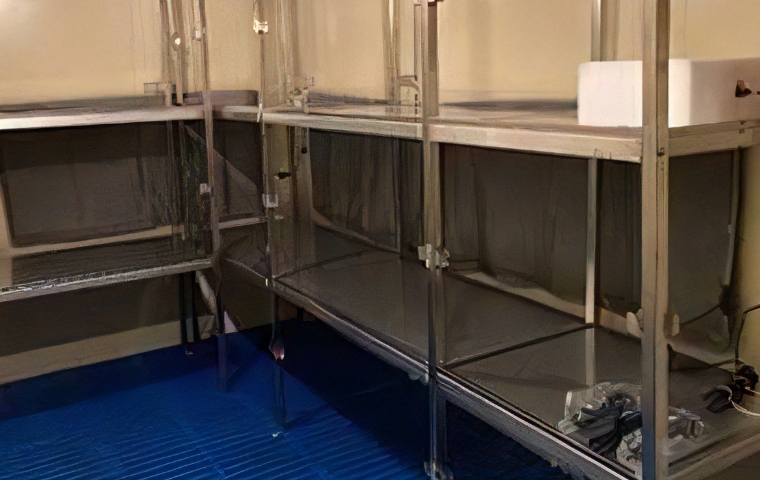
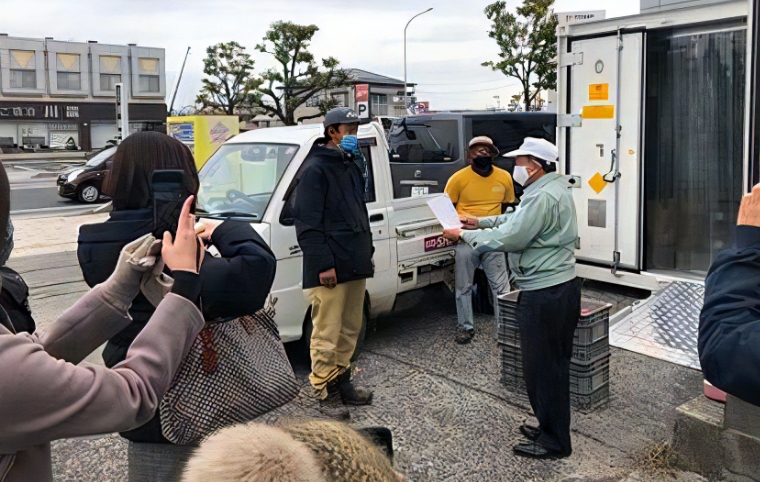
The Shinshu Children’s Cafeteria Network has begun using DENBA containers to store ingredients while preserving freshness.
This makes it possible to preserve the freshness of ingredients provided or donated by companies and reduce food loss. We aim to expand this initiative nationwide from the Shinshu Children’s Cafeteria Network.

■From the January 9 issue of The Shinano Mainichi Shimbun

The Shinshu Children’s Cafeteria Network will begin an initiative to secure ingredients needed by children’s cafeterias using refrigerated and frozen containers. Ingredients will be provided by companies or collected through donations. Perishable fresh ingredients had been difficult to handle and had become a challenge. The initiative aims to contribute to the Sustainable Development Goals (SDGs) advocated by the United Nations while reducing food loss.

Ships × DENBA

Supporting crew health and freshness preservation, reducing food loss, and helping reduce energy use by lowering heavy fuel consumption in food procurement transport

In the past, deterioration of fresh ingredients was an unavoidable issue during long voyages, creating challenges for maintaining a healthy diet for crew members because long-term storage was difficult. By installing DENBA+, it became possible to help preserve ingredient freshness. In use cases, fresh ingredients such as cabbage could be stored for around one month, greatly supporting crew health management and receiving positive feedback from crew members and their families. Going forward, we will work to expand use on ships worldwide and contribute to the SDGs.

■Excerpt from a shipping newspaper

DENBA, a Tokyo-based company that develops and sells food freshness-preservation technology, is focusing on sales of its proprietary freshness-preservation devices to maritime-related companies. By installing the device in food storage rooms on ships, it is said to help maintain the freshness of fresh foods. In addition to supporting crew welfare by helping secure a healthy diet, it can also contribute to reducing food loss, offering significant benefits to shipping companies, shipowners, and ship management companies that introduce it. The initiative is expected to attract attention as an effort that contributes to the SDGs.

When a vessel with DENBA+ installed in its onboard food storage room underwent an inspection by the Australian Maritime Safety Authority (AMSA), the equipment was explained to the inspector and reportedly received high praise as evidence of strong attention to crew care. In Australia, PSC, or port state control, has been strengthened in response to the COVID-19 pandemic, making the presence of DENBA+ significant as it contributes to improved crew welfare. Installation simply involves placing the main unit in the storage room and hanging the discharge sheet. Marine Net is currently working with DENBA to compile detailed manuals on how to install the discharge sheet to maximize the benefits of DENBA+. Since related parties cannot visit vessels directly to install DENBA+ during the pandemic, reference videos are also being prepared so crew members can install it easily. Introducing DENBA+ supports healthy crew diets and can also help reduce food loss, so it is likely to draw interest among shipping companies, shipowners, and ship management companies as an initiative that contributes to the SDGs.

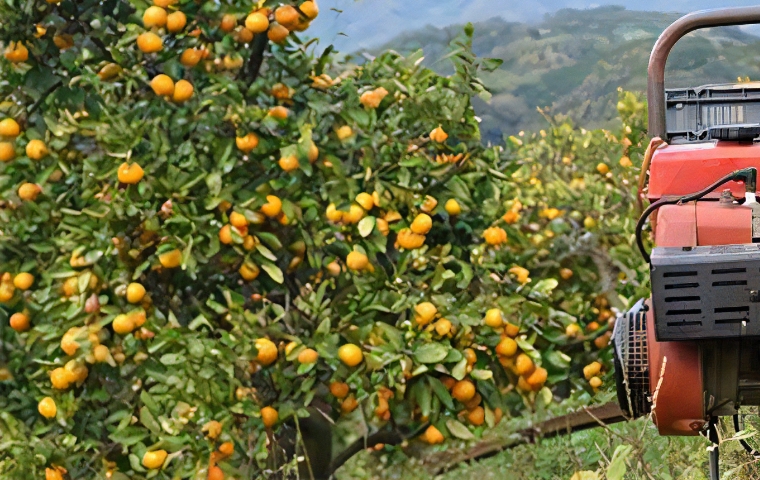
Mandarin Orange Farmers × DENBA

Solutions are needed for production loss and food loss, where food that could be eaten never reaches consumers.

Solutions are needed for production loss and food loss, where food that could be eaten never reaches consumers.

Japan’s food self-sufficiency rate has been declining year by year, and the country relies heavily on imports. The decline in consumption of domestic raw materials is one factor affecting stable income for producers overall.

In addition, the aging of the agricultural workforce and unstable income are reducing the producer population, leading to an expansion of abandoned farmland. As a result, there is concern that a time may come when domestically grown produce becomes unavailable. Even during the COVID-19 pandemic, we aim to support the important producers who sustain our food supply by prioritizing the purchase of marketable products that could not enter distribution or unharvested products that are still delicious and edible, thereby addressing production loss and stabilizing producer income.

Healthcare × DENBA

DENBA technology began as a product designed to activate water, and it is now being applied not only to food, but also to human wellness.

DENBA technology began as a product designed to activate water, and it is now being applied not only to food, but also to human wellness.

DENBA HEALTH was launched as a product that allows people of all ages to experience a DENBA space at home whenever they choose. As a health device based on the new concept of acting on water throughout the body, its contribution to wellness has attracted attention from authorities in various fields, leading to ongoing research. It has achieved sales of 30,000 units to date. In addition, we have launched DENBA Medical, a home-use electric-potential therapeutic device certified as a controlled medical device.

We receive delighted feedback every day from customers who use DENBA HEALTH. Our goal is to provide people around the world with safe and secure daily lives in a DENBA space, and to contribute as a life partner in the era of 100-year lifespans.